the LabVIEW alternative
leave LabVIEW behindThe AI agent to automate lab instrumentsand electronics testing, in minutes
Keep the instruments on your bench. Drop the per-seat licence, the vendor lock-in, and the weeks it takes to build a test. Describe the measurement and TestFlow builds the automation, the test plan, and runs it.
why teams leave
Four reasons, and none of them are that LabVIEW stopped working.
It is a capable environment. What changed is what it costs to keep, to staff, and to extend past the hardware it was built to sell.
The subscription only goes one way
LabVIEW is priced per seat per year, roughly $500 to $5,000 depending on edition, and the modules you actually need are rarely in the tier you were quoted.
The software exists to sell the hardware
Drivers, DAQ cards, and the whole ecosystem assume you stay inside it. Adding one instrument from another vendor is never a small job.
Nobody new arrives knowing G
There are far more Python engineers than LabVIEW engineers, and a VI does not diff, review, or run in CI. Every departure is a risk.
You have been moved before
NI discontinued LabVIEW NXG in 2022 after years of pushing teams onto it, and Mac and Linux support has narrowed since.
comparison
Stop juggling tools. Start running reusable test flows.
Drop the tools you don't need anymore. TestFlow has instrument control, test sequences, data capture, and reporting built in.
Every tool speaks its own language. Nothing you set up in one carries into the next.
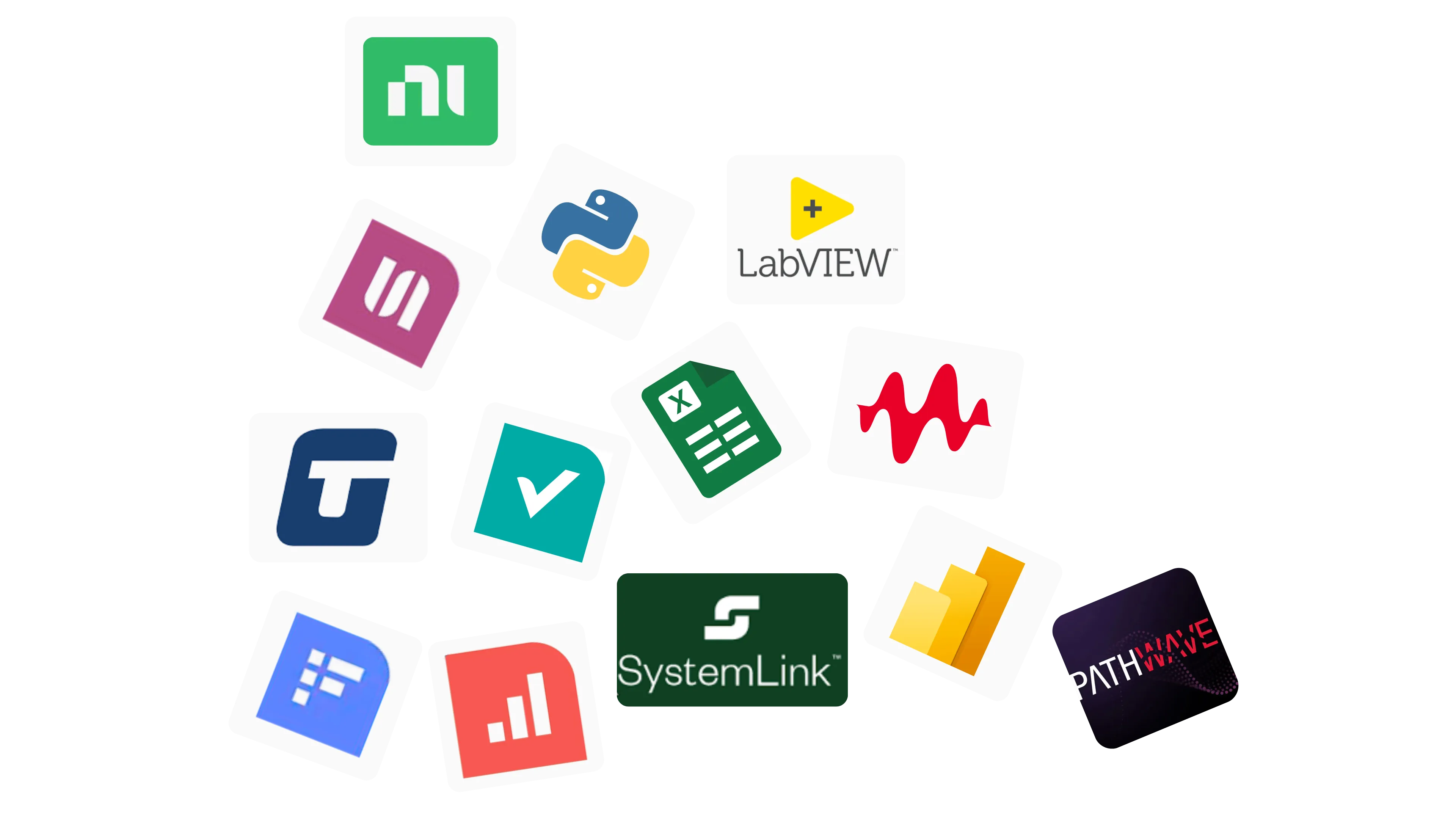
One platform. Instruments, sequences, data, and reports all in the same place.

- Any Instrument
- Analytics
- Collaboration
- Templates
- AI Scripting
- Workflows
- Monitoring
- Datasheets
- Sequencing
how it works
Three steps, on the bench you already have.
There is no rig to buy and nothing to rewrite before you can try it. The free version runs in a browser.
Connect the instruments you already own
Pick the manufacturer and model, paste the VISA address over USB, LAN, GPIB, or serial. Any vendor. No NI hardware required and no drivers to write.
Describe the test in plain English
“Sweep 0 to 3.3 V in 100 mV steps and measure current at each point.” The agent writes the instrument automation and the structured test plan.
Run it on your bench
Measured values stream in against their limits, step by step, and the run ends in a PDF or CSV report rather than a spreadsheet someone assembles later.
Keep what already works
Nothing says you have to move everything. Most teams start with the bench characterisation that never needed a real-time licence, and leave the FPGA and real-time work where it is.
go deeper
The comparisons, in full.
Written for engineers who are choosing, with the costs and the tradeoffs stated rather than glossed.
8 Best LabVIEW Alternatives in 2026
Python, MATLAB, OpenTAP, TestStand, and the rest compared honestly, with real costs and a migration checklist.
How to Migrate from LabVIEW to Python
The ordered migration plan, library equivalents for the VIs you actually use, and the four traps that stall teams halfway.
LabVIEW Pricing in 2026
What Base, Full, and Professional cost per seat, plus the deployment licences that are not on the price sheet.
NI Software Licensing Costs
The whole stack added up: LabVIEW, TestStand, VeriStand, and DIAdem, including the line items quotes leave out.
questions
The ones engineers ask first.
Is TestFlow a LabVIEW replacement?
Yes, for most hardware validation tasks. TestFlow offers a modern, code-optional approach that replaces complex LabVIEW VIs with intuitive, reusable workflows, while still allowing Python scripting for advanced needs.
Can I migrate existing workflows?
Yes. While we don't import .vi files directly, our AI can help map your test logic into TestFlow workflows quickly. We find that rebuilding in TestFlow often clarifies and simplifies legacy logic.
What hardware is supported?
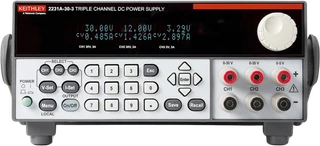
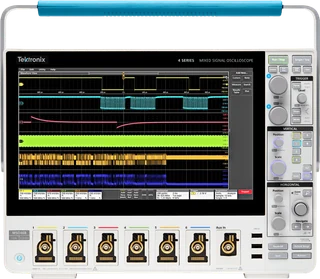
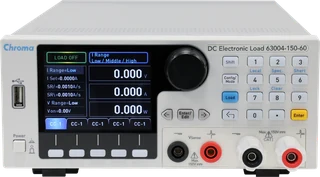
We support standard bench instruments (Oscilloscopes, Power Supplies, DMMs, etc.) via SCPI over USB, Ethernet, GPIB, and Serial. We handle the driver complexity for you.
Do I need drivers?
No. TestFlow comes with built-in drivers for a vast range of common instruments. You just connect them, and we handle the communication protocols.
Is it open / scriptable?
Absolutely. You can drop into Python at any point in a workflow to write custom logic, analysis, or specific control sequences using standard libraries.
start
Automate your first test today.
Free version, no card required. Connect an instrument, describe a measurement, and see the workflow it writes.